The Invisible Ecosystem: How Your Microbiome Shapes Your Mental Health
One of the most fascinating discoveries of modern medicine is the realization that every one of us carries an invisible ecosystem.
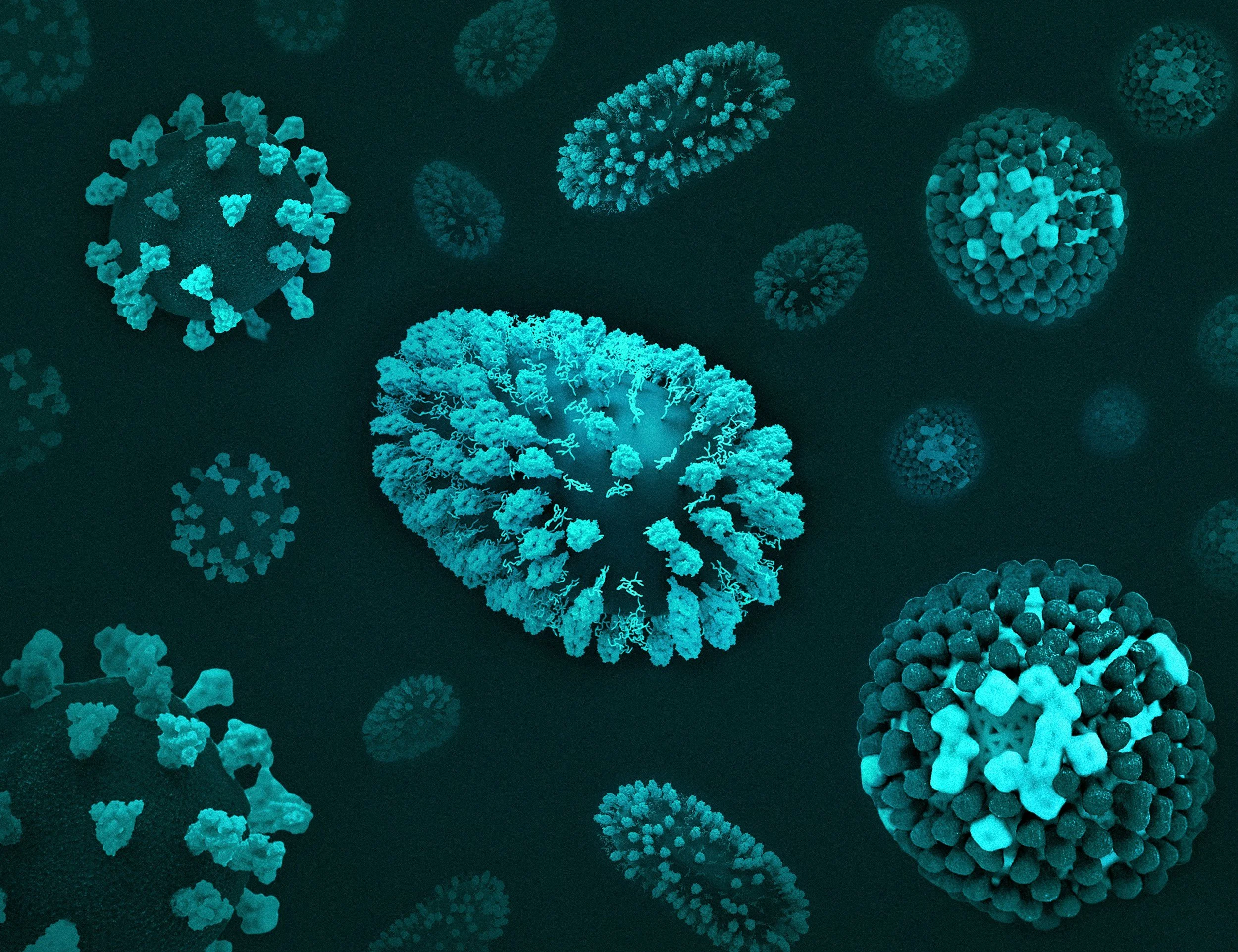
Inside our bodies live trillions of microorganisms—bacteria, fungi and viruses. Together they form what scientists call the microbiome.
Although invisible to the naked eye, this remarkable community is constantly interacting with our metabolism, our immune system and even our nervous system.
As a Senior Practitioner in Psychology and a nutrition professional, I find this one of the most exciting areas of modern science because it expands the way we understand mental health.
For many years, we viewed mental health primarily through the lens of the brain. Today, we know the brain has never worked alone. It functions as part of an extraordinary biological network in which different organs and systems communicate continuously.
The microbiome is one of the newest—and perhaps most surprising—members of that network.
More Than Digestion
The microorganisms living inside us perform countless essential tasks.
They help regulate metabolism.
They participate in training and balancing the immune system.
They produce vitamins and other biologically active compounds.
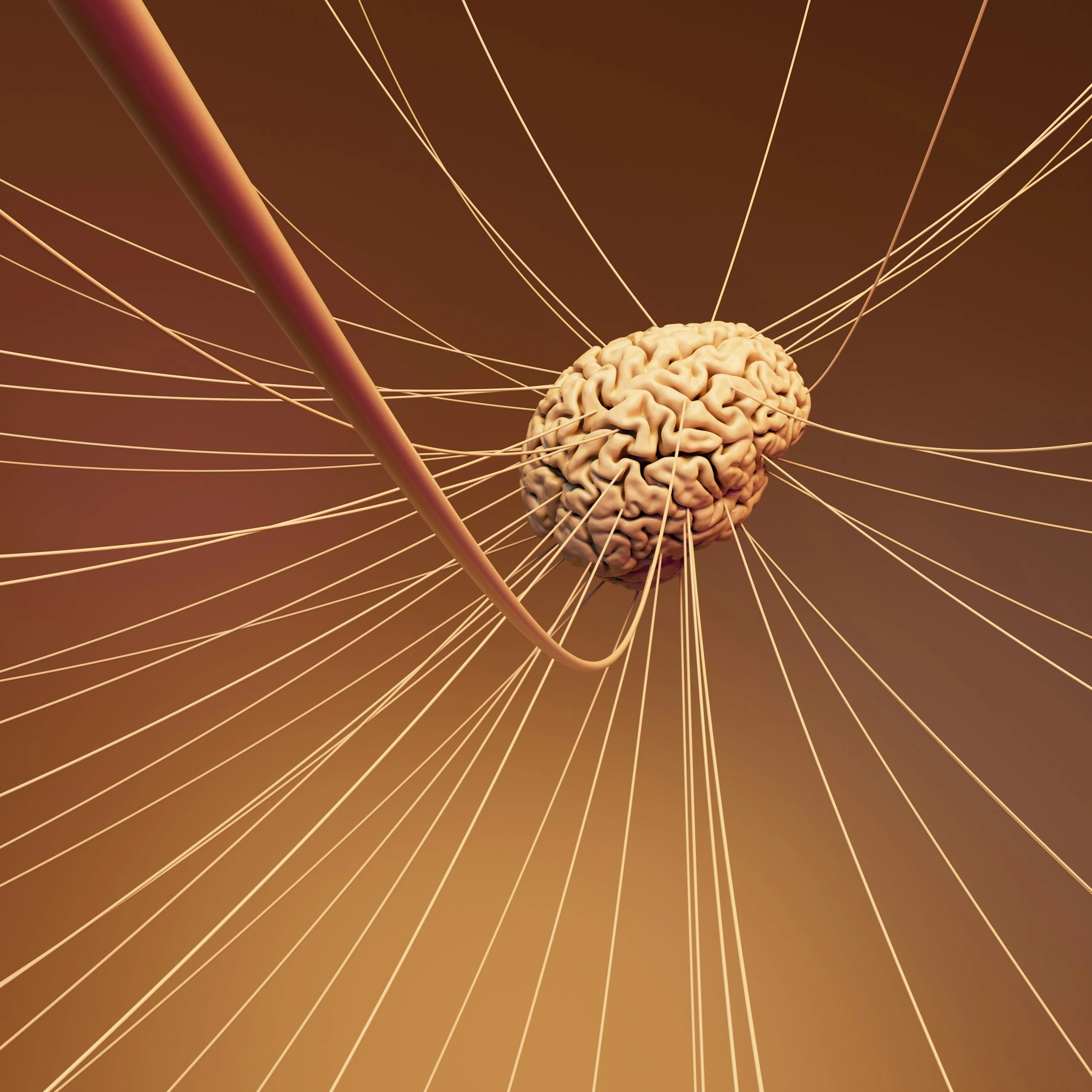
They also manufacture substances that influence the nervous system and help shape the communication between the gut and the brain.
This dialogue never stops.
It occurs through the vagus nerve, through immune messengers, through hormones, and through many of the compounds produced by our gut microbes themselves.
This continuous conversation is known as the gut-brain axis, and it has become one of the fastest-growing areas of research in neuroscience, psychology and nutrition.
Scientists are now exploring how changes in the microbiome may influence mood, stress resilience, anxiety, cognition and overall psychological wellbeing.
While research is still evolving, one thing is becoming increasingly clear: our mental health is deeply connected to the health of the entire body.
An Ecosystem That Reaches Beyond the Brain
One of the reasons I find the microbiome so fascinating is that its influence extends far beyond mental health.
The same invisible ecosystem is constantly communicating with many other parts of the body.
Research suggests that a healthy and diverse microbiome contributes to healthy ageing, supports energy production, helps regulate inflammation, strengthens immune function and may even influence the appearance and health of our skin.
When our internal ecosystem is balanced, the body is often better equipped to recover from everyday physical and emotional stress.
In other words, caring for your microbiome is not simply about improving digestion.
It is about creating the biological conditions that allow your entire body to function as efficiently and as resiliently as possible.
One of Nature's Oldest Health Practices
Before we finish, I'd like to introduce one of the simplest—and, in my opinion, one of the most fascinating—ways to begin caring for your microbiome.
Fermented foods.
Long before scientists discovered bacteria or understood the microbiome, cultures around the world had already mastered the art of fermentation.
Originally developed as a way of preserving food, fermentation also transforms it.
Beneficial microorganisms naturally break down sugars and other compounds, creating new flavors, improving digestibility and producing substances that may support both the food itself and, potentially, the microbial community living inside us.
Today, scientific research suggests that regularly including fermented foods as part of a healthy, balanced diet can help support microbial diversity and contribute to a healthier gut ecosystem.
Through the gut-brain connection, this may become one more simple way of supporting overall wellbeing.
A Beautiful Part of Mediterranean Food Culture

One of the things I love most is that fermented foods are already woven into many traditional cuisines, particularly the Mediterranean diet.
Foods such as yogurt, kefir, aged cheeses, naturally fermented olives, sauerkraut, kimchi and other fermented vegetables have been enjoyed for generations—not because people understood microbiology, but because experience taught them that these foods nourished the body.
Many fermented foods are also surprisingly easy to prepare at home.
Often all they require are a few fresh ingredients, a little patience and the remarkable work of nature itself.
To help you get started, I've prepared a free PDF showing you how to make one of my favourite homemade fermented foods.
You can download it using the link below.
Sometimes the smallest daily habits create the greatest changes.
Perhaps your journey toward better mental health doesn't begin with a new medication or a complicated diet.
Perhaps it begins with something much simpler.
A jar on your kitchen counter.
A family recipe passed from one generation to the next.
A conversation around your own kitchen table.
Because sometimes, caring for the invisible world inside us is one of the most powerful ways to care for the visible life we live every day.
Over five weeks, we will explore:
6 week workshop to design the inhabitable life.
Join