There is something curious about the way we have begun to interpret human suffering. We have become remarkably proficient at identifying psychological difficulties, yet I sometimes wonder whether we have become less proficient at recognising difficult circumstances.
Imagine someone who is struggling financially, worried about the future and unable to make long-term plans. They might experience anxiety, difficulty sleeping, irritability and a considerable loss of motivation.
We could examine their emotional regulation, their relationship with uncertainty, their childhood experiences or their habitual patterns of thinking. All of these might provide valuable information.
But somewhere in that conversation, we should probably also ask how they are going to pay next month's rent.
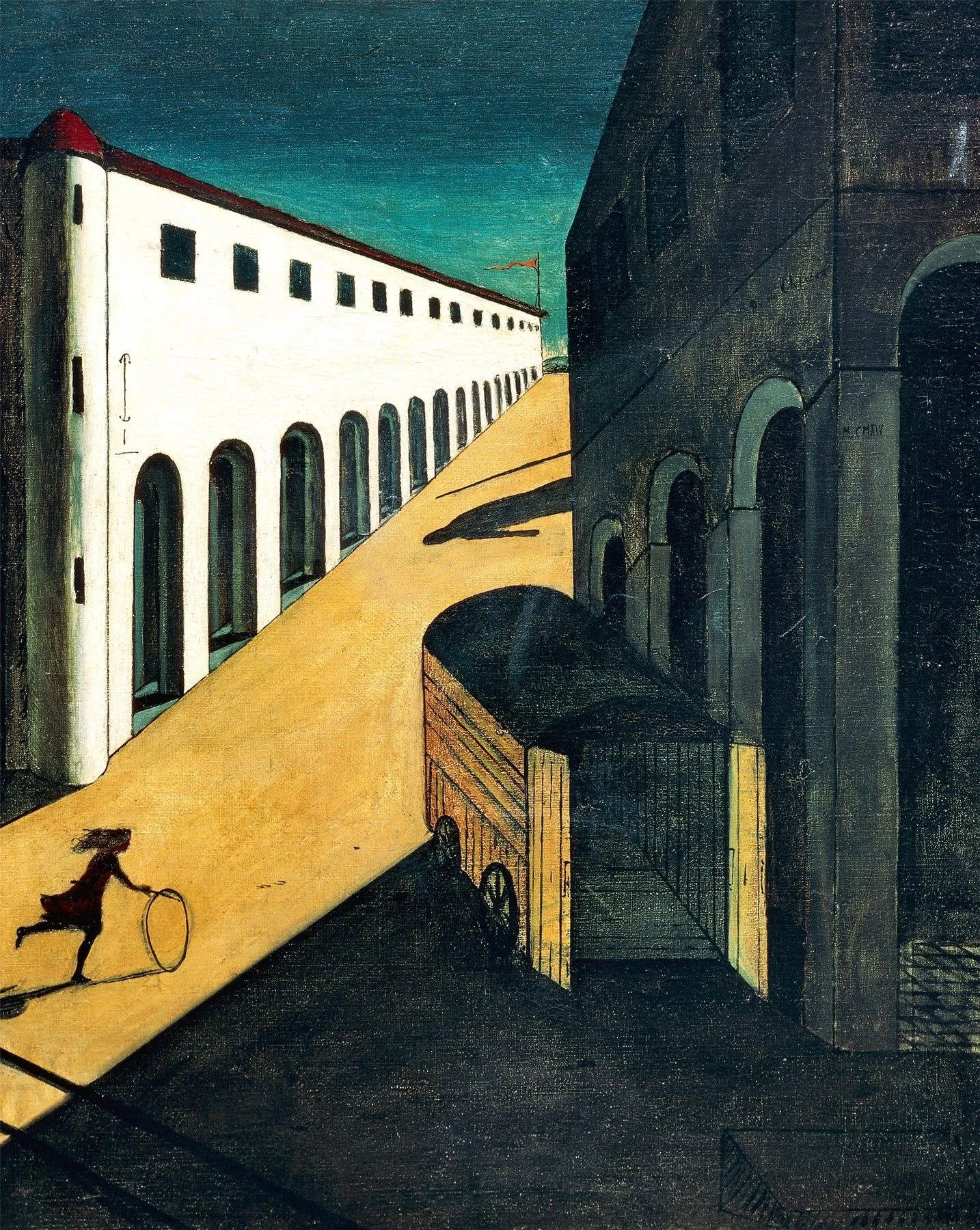
Learning to see beyond the trees
How many trees does it take to make a forest? And how many houses does it take to make a city?
When discomfort makes sense
As someone who works in psychology, I find the distinction between psychological distress and psychological dysfunction particularly important.
Experiencing distress in difficult circumstances does not necessarily indicate that something has gone wrong psychologically. Sometimes our emotional responses are entirely understandable in relation to what is happening around us.
Anxiety can alert us to genuine uncertainty. Anger can emerge from an awareness of injustice. Sadness can reflect the loss of something meaningful.
Of course, these emotions can become overwhelming, and psychological support can be enormously valuable. But helping someone manage their response to a difficult situation is different from resolving the situation itself.
The distinction matters because it influences where we look for solutions and where we place responsibility.
The individualisation of social problems
One of the more interesting aspects of contemporary wellbeing culture is its tendency to translate collective problems into individual responsibilities.
Workplace insecurity becomes a question of resilience. Social isolation becomes a question of self-love. Exhaustion becomes a matter of developing a better morning routine.
Apparently, civilisation might be saved if we all woke up at five and remembered to journal.
What interests me here is how easily the language of personal development can obscure the social conditions that influence our lives.
If a working environment is consistently damaging the wellbeing of its employees, teaching those employees to manage stress may help them cope. But surely the working environment itself deserves some examination.
Otherwise, we risk measuring psychological progress by how successfully individuals adapt to circumstances that perhaps ought to change.

The World We Cannot Think Away
We can experience something sincerely and still misunderstand it.
What are we adapting to?
Adaptability is an important human capacity. Throughout our lives, we encounter circumstances that require us to reconsider our expectations, develop new skills and find different ways of living.
However, adaptation also raises an interesting ethical and psychological question: are all circumstances equally deserving of our adaptation?
The ability to recognise when a situation requires personal adjustment, when it requires external change, and when it requires both is an important aspect of psychological maturity.
This requires judgement, knowledge and an understanding of the world beyond our own emotional experience.
It also requires us to reconsider the purpose of psychological wellbeing. Perhaps its value lies partly in helping us participate more consciously in the world, including recognising the circumstances that deserve our attention and involvement.
The Spanish philosopher José Ortega y Gasset explored the inseparable relationship between the individual and their circumstances in his 1914 book, Meditations on Quixote.
His philosophy offers an interesting starting point for reconsidering some of our contemporary assumptions about identity, personal development and social responsibility.
I am currently exploring these ideas in a new reading series on Patreon, beginning with an essay entitled The World We Cannot Think Away.
If you are interested in exploring the relationship between psychology, philosophy and contemporary life, you are very welcome to join our conversation.